Why Does Chest Pain After Meals Happen?
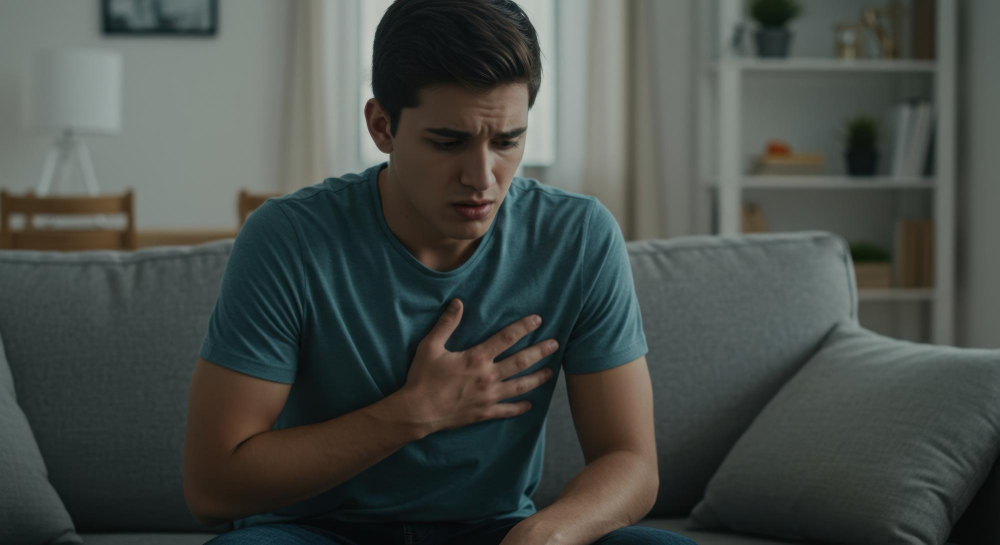
Many people feel chest pain after meals. Sometimes, this pain is mild and goes away quickly. Other times, it can feel sharp or burning. For many, chest pain after eating is linked to acid reflux, heartburn, or indigestion. However, it can also signal a more serious problem. Understanding the cause is important for your health.
Common Causes of Chest Pain After Eating
Often, chest pain after eating is not dangerous. In many cases, it is caused by:
For most people, these causes are not life-threatening. Yet, the pain can be uncomfortable and may need attention.
When Chest Pain After Meals May Signal a Serious Condition
Sometimes, chest pain after meals is a warning sign. For example, it can point to heart problems or issues with the food pipe. According to the CDC, heart disease is a leading cause of death. Because of this, it is important to know when pain could mean something more.
Because some of these conditions are serious, it is wise to know the warning signs.
Key Symptoms to Watch For
Not all chest pain is the same. While mild pain from acid reflux is common, some symptoms need quick care. For example, you should watch for:
These can be heart attack warning signs after meals. If you notice them, seek help right away. On the other hand, mild burning or discomfort after eating spicy food is often due to acidity. Still, if you are unsure, it is best to talk to a doctor.
How Doctors Diagnose Chest Pain After Meals
Doctors use several steps to find the cause of chest pain after meals. First, they will ask about your symptoms and health history. Next, they may do a physical exam. Sometimes, doctors order tests to learn more. These may include:
Because chest pain can have many causes, your doctor will choose tests based on your symptoms. Early diagnosis helps prevent serious problems.
Treatment Options for Acidity-Related and Serious Chest Pain
Treatment depends on the cause. For acidity-related chest pain, doctors may suggest:
However, if the pain is due to a serious cause, treatment will be different. For example:
Because each person is different, your doctor will create a plan that fits your needs.
Lifestyle Changes and Prevention Tips
Many people can reduce chest pain after eating by making simple changes. For instance, you can:
When to see a doctor for chest pain? If you have new, severe, or lasting pain, or if you notice heart attack warning signs after meals, seek medical help right away. Early care can save lives and prevent problems.