

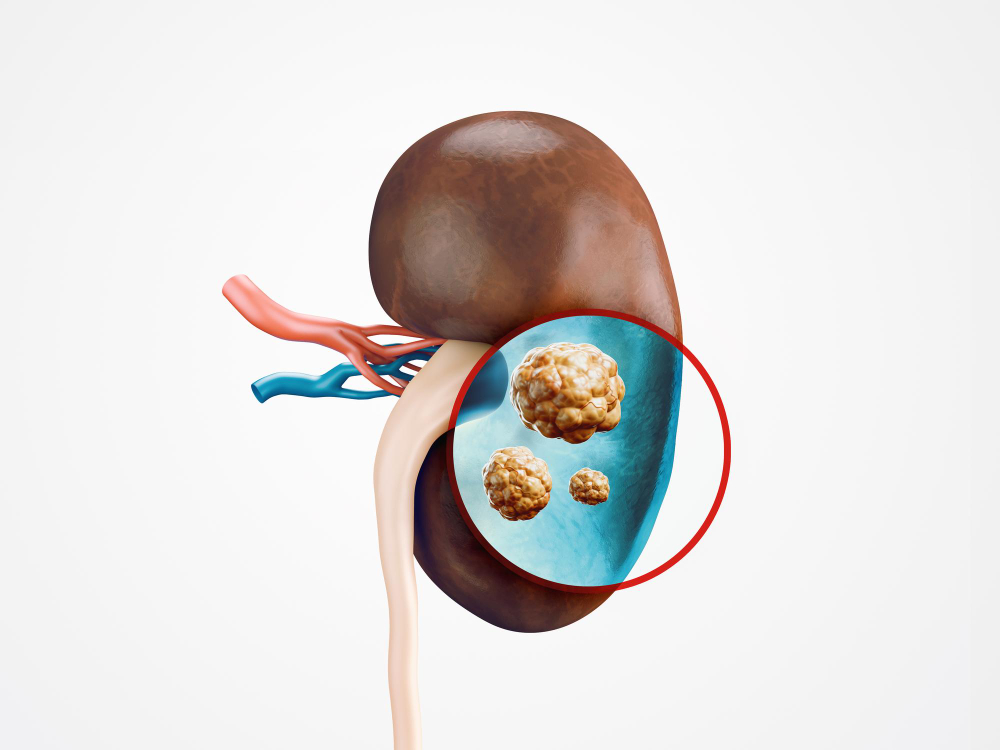
What Are Kidney Stones?
Kidney stones are hard lumps that form inside your kidneys. These stones can be as small as a grain of sand or as large as a pebble. Often, they are made from minerals and salts that build up in your urine. Sometimes, kidney stones stay in the kidney. However, they can also move into the tubes that carry urine out of your body. This condition is common and affects people of all ages. According to the CDC, kidney stones are a leading cause of urinary problems worldwide.
Common Symptoms of Kidney Stones
Kidney stone symptoms can vary. Some people may not notice any signs until the stone moves. When this happens, symptoms often appear quickly. For example, you may feel:
Because symptoms can be similar to other problems, it is important to see a doctor if you notice these signs.
Causes and Risk Factors
Many things can cause kidney stones. Most stones form when your urine has too many minerals and not enough water. As a result, these minerals stick together and form stones. Some common causes and risk factors include:
For example, people living in hot climates may sweat more and lose water, raising their risk. According to the National Institutes of Health, both men and women can get kidney stones, but men are slightly more likely to develop them.
How Kidney Stones Are Diagnosed
Doctors use several methods for kidney stone diagnosis. First, your doctor will ask about your symptoms and medical history. Next, you may need tests to confirm the problem. These tests can include:
Because early diagnosis helps prevent problems, it is important to see a healthcare provider if you have symptoms. In many cities, clinics and hospitals offer quick and safe testing for kidney stones.
Treatment Options for Kidney Stones
Kidney stone treatment options depend on the size and type of stone. For small stones, you may only need to drink more water and take pain medicine. However, larger stones may need more care. Common treatments include:
Because each person is different, your doctor will choose the best kidney stone treatment options for you. The American Urological Association recommends early treatment to avoid complications.
Prevention Tips and Lifestyle Guidance
Even though kidney stones can be painful, you can take steps to lower your risk. Here are some tips on how to prevent kidney stones:
For example, in warm areas, you may need to drink even more water to stay hydrated. According to the World Health Organization, healthy habits can greatly reduce your chances of getting kidney stones again.