

Introduction
Laparoscopic appendectomy is a type of minimally invasive surgery. Doctors use it to remove an inflamed appendix. This procedure helps treat appendicitis, which is a painful swelling of the appendix. Because it uses small cuts and a camera, recovery is often quicker than with open surgery. Many people prefer this method for its faster healing and less pain.
Symptoms Leading to Appendectomy
Appendicitis can cause several warning signs. If you notice these symptoms, you should seek medical help quickly. Early treatment can prevent serious problems. Common symptoms include:
Sometimes, the pain starts near the belly button and moves to the right side. Not everyone has all these symptoms, but most people feel sudden pain.
Causes of Appendicitis
Appendicitis happens when the appendix gets blocked. This blockage can be caused by:
Because the blockage traps bacteria, the appendix swells and fills with pus. If not treated, it can burst and cause a serious infection.
Diagnosis Process
Doctors use several steps to diagnose appendicitis. First, they ask about your symptoms and check your belly for pain. Next, they may order tests, such as:
These tests help confirm if you need a laparoscopic appendectomy. Quick diagnosis is important to avoid complications.
Detailed Overview of the Laparoscopic Appendectomy Procedure
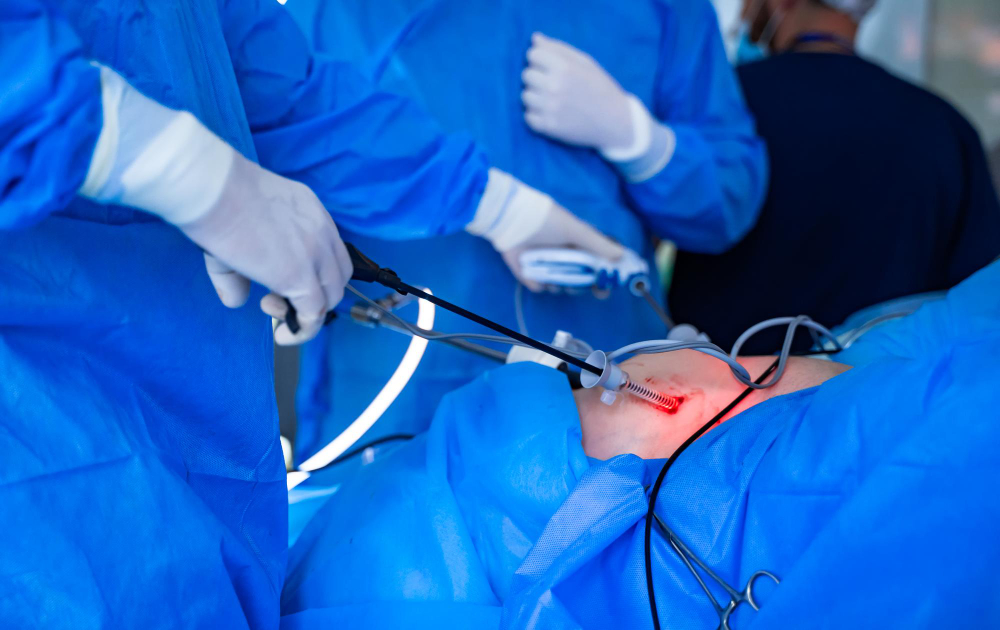
Laparoscopic appendectomy is a common surgery. During the procedure, the surgeon makes three or four small cuts in your abdomen. Then, a thin tube with a camera (laparoscope) goes through one cut. The camera shows the inside of your belly on a screen. Next, the surgeon uses special tools to remove the appendix through another small cut. Because the cuts are small, there is less pain and scarring. The whole surgery usually takes about one hour. Afterward, you wake up in the recovery room.
Benefits and Risks of Laparoscopic Surgery
Laparoscopic appendectomy offers many benefits. For example, you may heal faster and have less pain. Other benefits include:
However, every surgery has risks. Possible risks include:
Although these risks are rare, your doctor will discuss them before surgery.
Recovery Timeline and Aftercare Tips
Most people recover quickly after a minimally invasive appendectomy. Usually, you can go home within one or two days. Full recovery often takes one to three weeks. To help your healing, follow these tips:
If you notice redness, swelling, or pus at the cut sites, call your doctor. Also, if you have a fever or severe pain, seek help right away.
Prevention and Lifestyle Guidance
There is no sure way to prevent appendicitis. However, some healthy habits may help your digestive system. For example, you can:
Although these steps may not prevent appendicitis, they support overall gut health.
When to Seek Medical Help
Sometimes, symptoms can get worse quickly. You should seek medical help if you have:
Early treatment can prevent serious problems. Do not wait if you feel very unwell.
Conclusion
Laparoscopic appendectomy is a safe and effective way to treat appendicitis. Because it uses small cuts, recovery is often faster and less painful. If you have symptoms of appendicitis, seek help quickly. Consult a healthcare professional for personalized advice about laparoscopic appendectomy.