What Is Anemia?
Anemia is a health condition where your blood does not have enough healthy red blood cells. These cells carry oxygen to your body’s tissues. Because of this, your body may not get enough oxygen. As a result, you may feel tired or weak. According to the World Health Organization (WHO), anemia is common around the world. It can affect people of all ages. Understanding the symptoms of anemia helps you notice early signs and seek help if needed.
Common Symptoms of Anemia
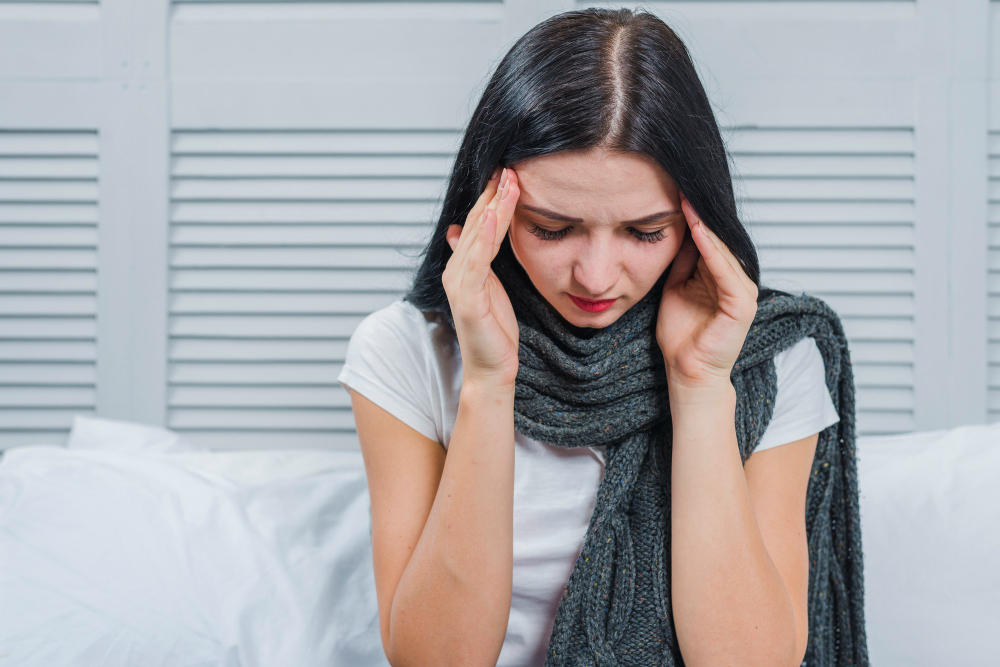
Many people first notice the symptoms of anemia when they feel more tired than usual. However, other early signs of anemia can appear. For example, you may feel weak or short of breath. Sometimes, you may notice your skin looks pale. In addition, you might feel dizzy or have headaches. Because these symptoms can be mild at first, they are easy to miss. Watch for these common signs:
Because these symptoms can also be caused by other conditions, it is important to pay attention to changes in your body.
Less Common or Severe Symptoms
Sometimes, symptoms of anemia can become more serious. For instance, you may notice a fast or irregular heartbeat. In some cases, you might have chest pain. Because your body is working harder to get oxygen, you could also feel cold more often. Other less common symptoms include:
Although these symptoms do not happen to everyone, they can signal that anemia is getting worse. If you notice these signs, it is important to talk to a doctor.
When to Seek Medical Attention
Because symptoms of anemia can be mild at first, many people wait before seeing a doctor. However, you should seek medical help if you notice:
According to the Centers for Disease Control and Prevention (CDC), early treatment can prevent problems. Therefore, if you have any of these symptoms, contact your healthcare provider. Early signs of anemia are easier to treat.
How Symptoms May Differ by Age, Gender, or Underlying Health
Although anyone can get anemia, symptoms may look different based on age, gender, or health. For example, children may show poor growth or trouble focusing in school. Older adults might feel more tired or confused. Women, especially those who are pregnant or have heavy periods, may notice symptoms sooner. In addition, people with chronic illnesses may have more severe signs. Because everyone is different, it is important to know how to tell if you have anemia. If you notice changes in your health, talk to a doctor. Early signs of anemia can be subtle, but paying attention helps you stay healthy.