Introduction
Gall stones are small, hard deposits that form inside the gallbladder. The gallbladder is a small organ under your liver. It stores bile, which helps digest fat. Sometimes, gall stones (also called gallbladder stones or cholelithiasis) can block the flow of bile. This can cause pain and other problems. Knowing the symptoms of gall stones and how to prevent them is important for your health.
What Are Gall Stones?
Gall stones are solid pieces that develop in the gallbladder. They can be as small as a grain of sand or as large as a golf ball. Most people do not know they have gall stones until they cause symptoms. There are two main types of gall stones:
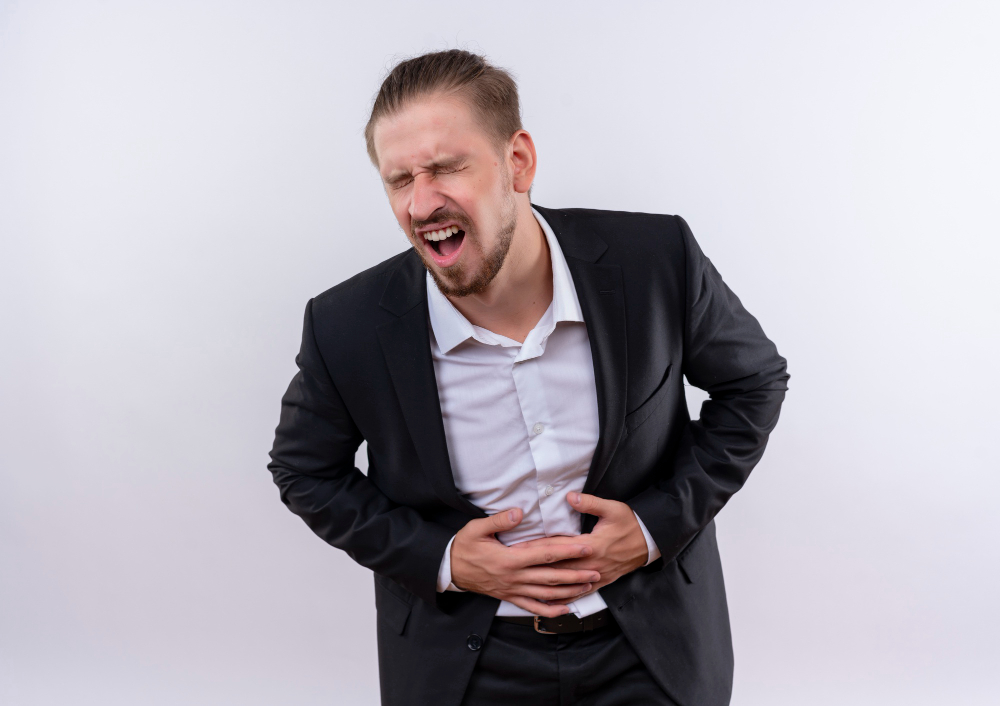
Gall stones can cause sudden pain if they block a bile duct. However, some people never have symptoms.
Common Symptoms of Gall Stones
Many people with gall stones have no signs. But, when symptoms appear, they can be uncomfortable. Here are some common symptoms of gall stones:
Sometimes, the pain starts after eating a fatty meal. If you notice these signs of gallbladder stones, you should see a doctor.
Causes and Risk Factors
Gall stones form when the balance of substances in bile changes. Several factors can increase your risk. For example, you may be more likely to get gall stones if you:
Because some risk factors cannot be changed, it is important to focus on healthy habits.
How Gall Stones Are Diagnosed
If your doctor thinks you have gall stones, several tests can help. First, your doctor will ask about your symptoms and do a physical exam. Then, they may order tests such as:
Early diagnosis helps prevent serious problems. According to the CDC, timely treatment can lower the risk of complications.
Treatment Options for Gall Stones
Treatment for gall stones depends on your symptoms. If you have no symptoms, you may not need treatment. However, if you have pain or other problems, your doctor may suggest:
Most people recover well after treatment. Still, you should follow your doctor’s advice for the best results.
Prevention Tips and Lifestyle Guidance
While you cannot prevent all cases, you can lower your risk. Here are some tips on how to prevent gall stones:
By making these changes, you can help protect your gallbladder health. The World Health Organization also recommends a healthy diet and regular exercise for overall well-being.
Conclusion
Gall stones can cause pain and other problems, but they are treatable. If you notice symptoms of gall stones, seek medical help. Early diagnosis and healthy habits can make a big difference. Consult a healthcare professional for personalized advice on gall stones.