What is Hypertension?
Hypertension, also called high blood pressure, is a common health problem. It happens when the force of blood against your artery walls stays too high for a long time. In fact, many people in the United States have hypertension but may not know it. Because it often has no clear signs, it is sometimes called the “silent killer.” Over time, high blood pressure can damage your heart, kidneys, and other organs. Therefore, understanding hypertension is important for everyone.
Common Symptoms
Most people with hypertension do not notice any symptoms. However, some may experience signs if their blood pressure gets very high. For example, you might feel:
Still, these symptoms can also be caused by other health issues. Because symptoms are rare, regular blood pressure checks are important.
Causes and Risk Factors
There are many reasons why someone may develop hypertension. Sometimes, the cause is not clear. But, certain risk factors make it more likely:
Because some risk factors can be changed, making healthy choices can help lower your risk.
How Hypertension is Diagnosed
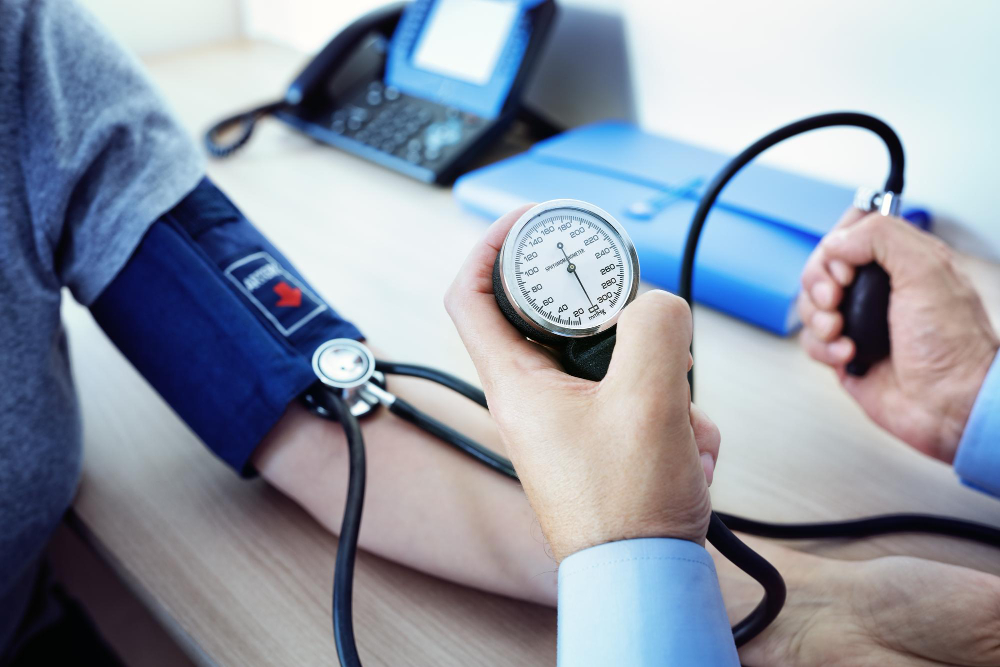
Doctors diagnose hypertension by measuring your blood pressure. Usually, they use a cuff around your arm. For an accurate diagnosis, your doctor may check your blood pressure on several visits. Sometimes, they may ask you to check it at home. In addition, your doctor may order blood tests or urine tests to look for other health problems. Early diagnosis helps prevent serious complications.
Treatment Options
Treating hypertension often involves both lifestyle changes and medicine. Your doctor will choose the best plan for you. Common high blood pressure treatments include:
Because each person is different, your treatment may change over time. Always follow your doctor’s advice closely.
Lifestyle and Home Remedies
Along with medicine, healthy habits can help manage high blood pressure. For example, you can:
Because small changes add up, try to make one healthy choice at a time.
Prevention Tips
Preventing hypertension is possible for many people. Here are some tips on how to prevent hypertension:
Because prevention is easier than treatment, start healthy habits early.
When to See a Doctor
If you have high blood pressure, see your doctor regularly. However, if you notice severe headaches, chest pain, or trouble breathing, seek help right away. These could be signs of a serious problem. Even if you feel fine, regular check-ups help keep your blood pressure under control.
In summary, understanding hypertension (high blood pressure) is key to staying healthy. For personalized advice on managing high blood pressure, consult a healthcare professional.